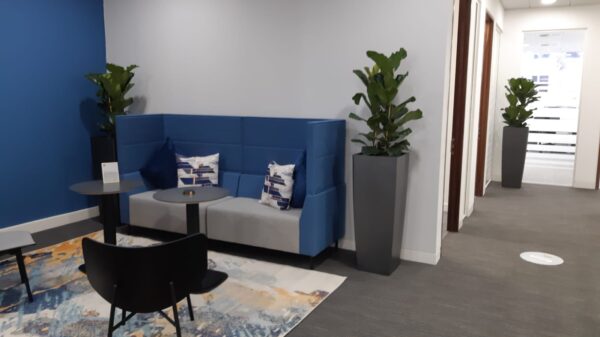
Sustainability in interior design is no longer just a trend—it’s an expectation. For businesses looking to create environmentally responsible workspaces, achieving SKA ratings is a key milestone. These certifications, developed by the Royal Institution of Chartered Surveyors (RICS), evaluate the environmental performance of interior fit-outs. At the heart of many successful SKA-certified projects is biophilic design—the integration of natural elements into interiors.
Here’s how biophilic design can help your project achieve SKA ratings while creating a healthier, more inspiring space.
What Are SKA Ratings?
SKA ratings assess the sustainability of office, retail, and hospitality fit-outs. They measure environmental performance across categories such as energy efficiency, waste reduction, and occupant wellbeing. By achieving a SKA rating, businesses demonstrate their commitment to reducing environmental impact while creating functional and enjoyable spaces.
The certification system allows organisations to make incremental improvements, awarding ratings at bronze, silver, or gold levels based on the extent of sustainability measures. Biophilic design plays a pivotal role in meeting SKA criteria by improving energy use, wellbeing, and resource efficiency.
How Biophilic Design Aligns with SKA Criteria
Energy Efficiency
Biophilic features like green walls and indoor plants contribute to temperature regulation. They reduce the reliance on mechanical cooling by insulating spaces naturally, which can significantly lower energy consumption—an important factor in SKA assessments.
Material Sustainability
Biophilic design often incorporates natural, renewable materials like timber, stone, and cork. Using these responsibly sourced materials aligns with SKA’s sustainable procurement requirements. For example, timber certified by FSC (Forest Stewardship Council) ensures traceability and eco-friendly origins.
Occupant Wellbeing
Plants improve air quality by filtering pollutants and releasing oxygen, creating a healthier indoor environment. Their calming presence also reduces stress and boosts productivity, which directly impacts the wellbeing criteria of SKA ratings. Features like natural light integration and nature-inspired design further enhance employee comfort and satisfaction.
Biodiversity
Outdoor biophilic features, such as green roofs and landscaped areas, encourage biodiversity by supporting native plants and pollinators. These initiatives contribute to the ecological sustainability aspect of SKA while visibly demonstrating a company’s environmental responsibility.
Biophilic Design in Action for SKA Ratings
In practice, biophilic design elements can make a significant impact on SKA ratings. Consider a recent office refurbishment project that achieved a gold SKA rating by integrating the following:
- Living Walls: Indoor green walls were installed in meeting areas, improving air quality and reducing noise pollution.
- Sustainable Materials: Desks and flooring were made from responsibly sourced timber, satisfying SKA’s material sustainability criteria.
- Green Roof: An outdoor green roof enhanced biodiversity while providing natural insulation for the building.
- Natural Light: Floor plans were reconfigured to maximise daylight, reducing the need for artificial lighting and improving occupant wellbeing.
This project illustrates how biophilic design not only supports SKA certification but also creates a functional and appealing environment for employees and visitors alike.
A Greener Path to SKA Success
Biophilic design is more than an aesthetic choice—it’s a powerful strategy for achieving SKA ratings. By incorporating natural elements, businesses can improve energy efficiency, improve occupant wellbeing, and demonstrate a commitment to sustainability.
For your next fit-out, consider working with design professionals to integrate biophilic features. Not only will it bring you closer to SKA certification, but it will also create a healthier, more vibrant space that reflects your company’s values.