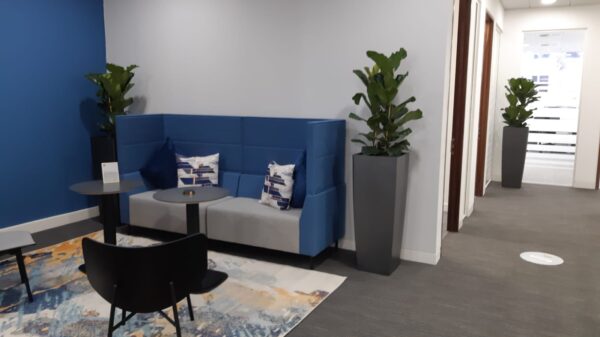
Ever left work feeling unusually drained, headache-ridden, or just plain “off”? It might not be the workload—it could be your office. Sick Building Syndrome (SBS) is a common yet under-discussed issue that affects thousands of workers, particularly in poorly ventilated or maintained buildings. But there’s good news: the humble indoor plant might just hold the key to a healthier, more productive workspace.
What Is Sick Building Syndrome?
Sick Building Syndrome refers to a collection of health issues caused by spending time in certain indoor environments. Symptoms can include:
- Headaches
- Fatigue
- Eye, nose, or throat irritation
- Dizziness
- Respiratory problems
The culprit? Poor indoor air quality, caused by factors such as:
- Insufficient ventilation
- Toxic compounds released from furniture, carpets, or cleaning products
- Accumulated dust and allergens
According to the World Health Organisation (WHO), up to 30% of new or renovated buildings may cause health issues linked to SBS. Beyond discomfort, this leads to increased absenteeism, reduced productivity, and higher turnover—a costly problem for businesses.
How Plants Help Combat Sick Building Syndrome
Adding plants to your office might seem like a decorative afterthought, but they offer measurable benefits for air quality and employee health. Here’s how:
- Air Purification
Indoor plants are natural air purifiers. They absorb airborne toxins like benzene, formaldehyde, and carbon monoxide, which are common in office environments. The NASA Clean Air Study famously highlighted the ability of plants like peace lilies and snake plants to remove harmful chemicals from the air.
- Humidity Regulation
Dry air, especially in air-conditioned offices, exacerbates symptoms like sore throats and dry skin. Plants release moisture through a process called transpiration, which can help maintain healthier humidity levels indoors.
- Oxygen Boost
Plants convert carbon dioxide into oxygen, which promotes better concentration, reduces fatigue, and enhances overall wellbeing. A study by the University of Exeter found that introducing plants into offices improved employee productivity by 15%.
By improving air quality, plants address the root causes of SBS, creating a healthier and more comfortable workplace.
Top Plant Recommendations for Healthier Offices
Not all plants are equally effective against SBS, but these green heroes stand out:
- Peace Lily: Known for its ability to filter out toxins like formaldehyde and benzene, while being easy to care for.
- Spider Plant: A hardy option that removes airborne pollutants like carbon monoxide and VOCs (volatile organic compounds).
- Dracaena: Excellent at tackling harmful chemicals found in varnishes and adhesives.
- Boston Fern: Perfect for adding humidity, especially in air-conditioned spaces prone to dryness.
Each of these plants is low-maintenance, making them ideal for busy office environments.
The Path to a Healthier Office
Sick Building Syndrome is a significant issue, but it’s one that can be mitigated with simple, cost-effective solutions. Introducing plants into the office isn’t just about aesthetics; it’s about creating a workspace that promotes health, wellbeing, and productivity.
Take the first step in combating SBS today—start with a peace lily on your desk or a cluster of spider plants in common areas. Your team will breathe easier, feel better, and work smarter.