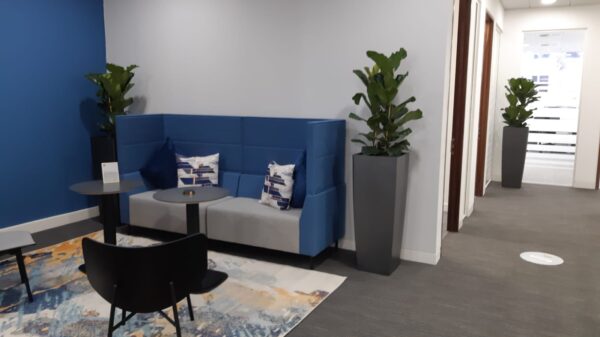
Designing spaces that prioritise wellbeing isn’t just a nice-to-have anymore—it’s a necessity. That’s where biophilic design comes in. By connecting people with nature through thoughtful design, this approach improves both the look and feel of the spaces we inhabit. At the heart of biophilic design are three key pillars that guide its application: Nature in the Space, Natural Analogues, and Nature of the Space.
Let’s explore how these pillars work together to create healthier, more inspiring environments.
What Is Biophilic Design?
Biophilic design is all about bringing the outside in—whether that’s through plants, natural materials, or layouts that echo the great outdoors. It stems from the concept of biophilia, which suggests humans are hardwired to connect with nature.
Unfortunately, modern buildings often disconnect us from that connection, leading to higher stress levels and lower productivity. Biophilic design aims to fix this by incorporating natural elements into architecture and interiors. From workplaces to retail spaces and even residential developments, the focus is on creating environments that feel alive, engaging, and restorative.
The Three Pillars of Biophilic Design
Biophilic design isn’t just about adding plants to a room; it’s a holistic approach guided by three foundational principles:
1. Nature in the Space
This is the most direct and tangible aspect of biophilic design. It involves bringing actual elements of nature into a building.
Examples include:
- Plants: Green walls, potted plants, or hanging gardens that soften interiors and purify the air.
- Natural Light: Maximising daylight through large windows, skylights, or reflective surfaces.
- Water Features: Indoor fountains or aquariums that add movement and soothing sounds to the space.
These elements don’t just enhance the aesthetics—they engage the senses, creating a calming and energising atmosphere.
2. Natural Analogues
While you can’t always include actual natural elements, you can design spaces to reflect the essence of nature. This pillar focuses on using patterns, textures, and materials that mimic natural forms.
Examples include:
- Materials: Wood, stone, and bamboo, which bring warmth and texture.
- Colours: Earthy tones, greens, and blues inspired by forests, oceans, or skies.
- Shapes: Organic, flowing forms that replicate natural patterns, such as the curves of a river or the spirals of a shell.
These subtle touches can evoke the feeling of being in nature, even in urban or indoor environments.
3. Nature of the Space
This pillar takes inspiration from how we experience the outdoors, creating layouts that reflect the dynamics of natural environments.
Examples include:
- Open Spaces: Large, airy rooms that mimic the openness of meadows or fields.
- Sheltered Areas: Quiet, cosy corners reminiscent of caves or forest canopies for moments of privacy.
- Views to the Outside: Designing buildings with sightlines to gardens, trees, or city parks, providing a visual connection to the outside world.
By mimicking how nature makes us feel, these spatial designs foster comfort, exploration, and focus.
Why the Three Pillars Matter
Together, these three pillars form a blueprint for spaces that are not just functional but truly enriching. Studies have shown that biophilic design can:
- Reduce stress: People feel calmer and more focused in nature-inspired environments.
- Boost productivity: Employees in biophilic offices are 15% more productive, according to a study by Human Spaces.
- Improve creativity: Natural elements stimulate creative thinking, making them ideal for workspaces or innovation hubs.
Whether it’s a green wall in a lobby, a wooden finish on desks, or an office layout with plenty of natural light, each pillar contributes to a healthier, more inspiring environment.
Building a Better Future with Biophilic Design
The three pillars of biophilic design—Nature in the Space, Natural Analogues, and Nature of the Space—are transforming how we approach architecture and interiors. By prioritising the human connection to nature, they help create spaces that support health, happiness, and sustainability.
If you’re designing a new space or refreshing an existing one, consider how these principles can shape your vision. After all, a better future starts with better spaces—and biophilic design is a step in the right direction.