When winter arrives, nature seems to disappear. Leaves fall, light fades, and the landscape slows to a whisper.
It’s easy to feel that this season is the opposite of life, that it interrupts our connection with the natural world. But biophilia teaches us that even in winter, that bond is not broken. It simply changes shape.
If we pay attention, we can design spaces, habits, and rituals that keep us connected through the darker months, when the need for nature is often greatest.
The Science of Seasonal Change
Our bodies respond directly to daylight. Sunlight triggers serotonin, regulates melatonin, and helps control the body clock that dictates our mood and energy.
In winter, shorter days can disturb that rhythm. Less light means slower serotonin production, which can lead to fatigue, low mood, and, in some cases, Seasonal Affective Disorder (SAD).
This is one reason why many people feel tired, unfocused, or more withdrawn at this time of year.
Biophilic design helps by reintroducing natural cues that support balance: daylight, greenery, movement, and warmth. Even small interventions can remind our minds and bodies that life continues outside the glass.
Light as a Design Tool
Light is the foundation of biophilia in winter. When sunlight becomes scarce, the goal is not to replace it but to recreate its rhythm.
Natural daylight should be maximised wherever possible. Use translucent materials, mirrors, or lighter wall colours to carry light deeper into a room. Place workspaces close to windows and allow curtains or blinds to open fully during the day.
Where natural light is limited, full-spectrum LEDs can help. These bulbs mimic daylight’s changing tones, supporting alertness by day and relaxation by evening. The best designs layer light rather than flooding it, creating warmth, focus, and texture that shift with time.
Green Life Indoors
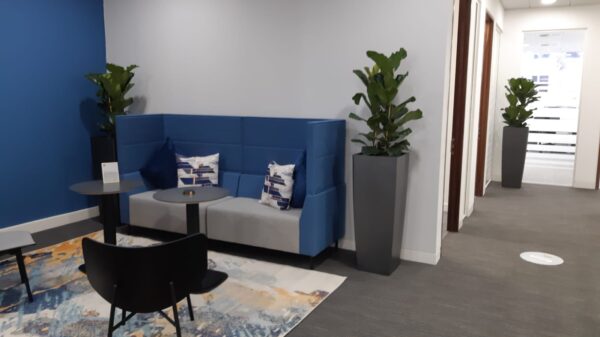
Plants work differently in winter. Growth slows, light is weaker, and watering routines need adjusting. But even when growth pauses, greenery still supports wellbeing.
Studies have shown that simply being able to see living plants can lower stress and improve concentration. In darker months, they serve as a reminder that life continues, even in rest.
Hardier species like the ZZ plant, snake plant, and cast iron plant cope well with low light and drier air. Grouping plants together can also help them retain humidity, creating a small living ecosystem that feels both grounding and alive.
If fresh planting isn’t possible, use natural textures such as wood, cork, dried grasses, and stone to bring organic warmth into a space.
Texture, Warmth, and the Senses
Biophilia is not only visual. Winter invites us to connect through touch, sound, and scent. The sound of rain against a window, the smell of wood or herbs, the feel of wool or clay all bring the sensory richness of the outdoors inside.
Research by the University of Tampere found that natural materials can reduce perceived stress and promote comfort, especially when combined with soft lighting and warm colour palettes.
Good design in winter should feel alive even when the air outside is cold. Layer textures, vary materials, and introduce subtle movement such as flickering candles, rippling shadows, or slow-turning fans to echo the rhythms of nature that continue unseen.
Rest, Reflection, and Rhythm
Winter is a season of retreat, not absence. Nature does not stop; it conserves energy, restores soil, and prepares for renewal.
Spaces that recognise this can feel deeply restorative. Quiet corners, softer seating, and slower routines reflect the same pattern. In biophilic terms, this is not about filling every space with light and greenery, but about creating environments that honour the season’s slower rhythm.
Allowing ourselves to pause in winter is an act of alignment, not resistance.
Reconnection in the Darker Months
When we walk outside on a cold morning and notice frost on the grass, or pause to look at bare branches against the sky, we are still engaging with life. The forms may have changed, but the relationship is the same.
Biophilia in winter is not about imitation. It is about continuity. It reminds us that nature’s pulse doesn’t stop when the leaves fall, it simply moves underground, waiting for light to return.
When design captures that quiet resilience, buildings stop feeling like barriers between us and the world outside. They become part of the same rhythm.