Biophilic Design
Biophilic design is an approach to architecture and interior design that seeks to reconnect people with nature within built environments. In practical terms, it means incorporating natural elements such as plants, light, materials, and organic forms into spaces where people live and work.
The concept is rooted in the idea of “biophilia,” a term used to describe the natural human tendency to seek connections with nature. While modern life has moved many people into indoor, urban environments, the need for that connection remains. Biophilic design aims to restore it in a structured, intentional way.
Why Biophilic Design Matters in Modern Workplaces
Today’s offices are often dominated by artificial lighting, screens, and hard surfaces. While functional, these environments can feel sterile and disconnected.
Biophilic design addresses this by introducing natural elements that improve how a space looks, feels, and functions. It is increasingly being adopted by businesses that want to create workplaces that support both performance and wellbeing.
As hybrid working becomes more common, offices are no longer just places to work — they need to be environments people actively want to spend time in. Biophilic design plays a key role in achieving that.
The Core Elements of Biophilic Design
Biophilic design is more than simply adding plants to a room. It involves a combination of elements that work together to create a natural, balanced environment.
1. Natural Light
Maximising natural daylight is one of the most important aspects. Exposure to daylight supports circadian rhythms, improves mood, and helps regulate energy levels throughout the day.
2. Living Plants and Greenery
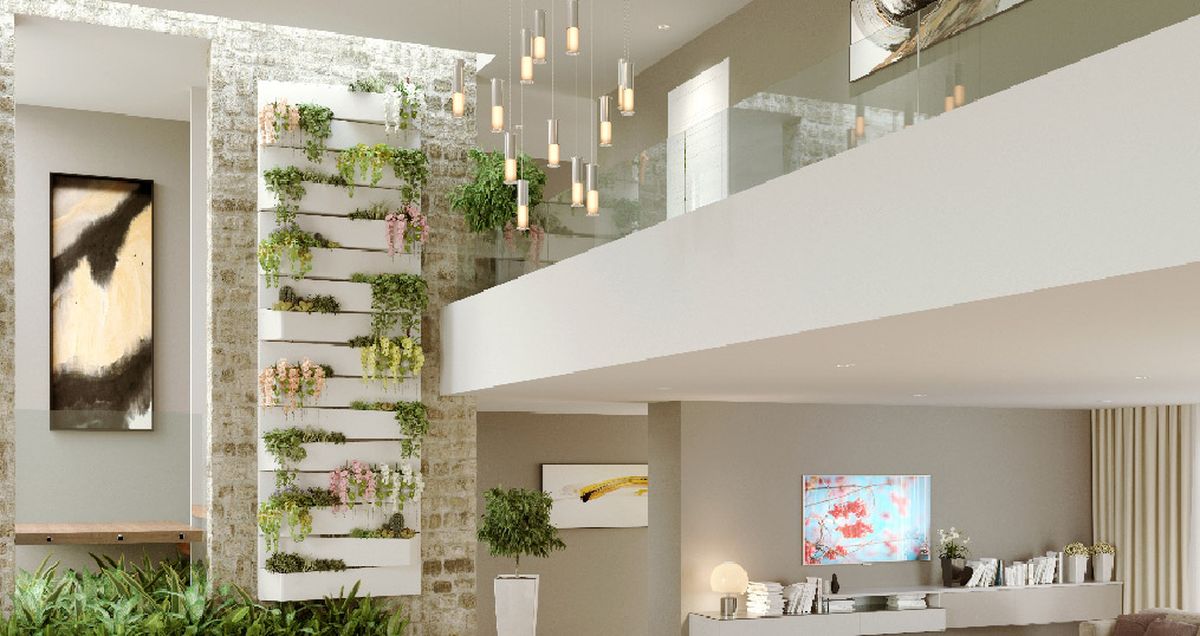
Plants are the most recognisable element of biophilic design. They introduce colour, texture, and life into a space, while also softening harsh lines and surfaces.
From individual desk plants to large-scale living walls, greenery can be tailored to suit any workspace.
3. Natural Materials
Materials such as wood, stone, and natural fibres help create a tactile connection to nature. These elements add warmth and authenticity to a space that might otherwise feel clinical.
4. Organic Shapes and Forms
Biophilic spaces often move away from rigid, straight lines and instead incorporate curves and patterns found in nature. This creates a more relaxed and visually appealing environment.
5. Views and Connection to the Outdoors
Where possible, incorporating views of outdoor spaces or bringing exterior planting into the design helps strengthen the connection between indoor and outdoor environments.
The Benefits of Biophilic Design
The growing popularity of biophilic design is driven by its measurable impact on people and workplaces.
Improved Wellbeing
Natural elements have been shown to reduce stress and create a calmer atmosphere. Employees working in environments with greenery often report feeling more relaxed and comfortable.
Increased Productivity
Studies have found that introducing natural elements into workplaces can improve concentration and task performance. A well-designed environment helps people stay focused for longer.
Enhanced Workplace Experience
Biophilic design contributes to a more enjoyable and engaging workspace. This can improve staff satisfaction and make the office a more attractive place to be.
Stronger First Impressions
For visitors and clients, a well-designed, nature-inspired space signals professionalism and attention to detail. It creates an immediate positive impression of the business.
Better Acoustic Comfort
Plants and soft natural elements can help absorb sound, reducing noise levels in open-plan environments and improving overall comfort.
Biophilic Design in Practice
Biophilic design can be implemented in a variety of ways depending on the size, layout, and goals of a workspace.
Common applications include:
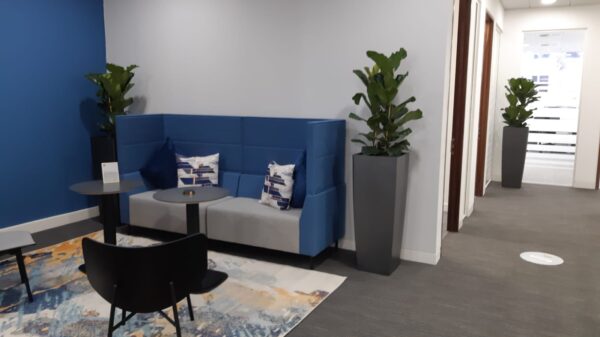
- Statement plants in reception areas
- Desk and breakout space planting
- Living walls that act as focal points
- Preserved moss walls for low-maintenance impact
- Planters used as natural dividers in open-plan offices
- Exterior planting to enhance entrances and outdoor areas
The most effective schemes are tailored to the specific environment, taking into account light levels, space, and maintenance requirements.
Is Biophilic Design Just a Trend?
While it has gained significant attention in recent years, biophilic design is not a passing trend. It is based on long-standing principles of human behaviour and environmental psychology.
As businesses continue to prioritise employee wellbeing, sustainability, and workplace experience, biophilic design is becoming a fundamental part of modern office design rather than an optional extra.
Bringing Biophilic Design Into Your Workplace
Introducing biophilic design doesn’t require a complete office overhaul. Even small, well-planned changes can have a noticeable impact.
The key is to approach it strategically — selecting the right plants, materials, and layouts to suit your space and how it is used.
At The Green Office Solutions, we design, supply, and maintain bespoke planting schemes that support modern biophilic workplaces. From simple installations to full-scale interior and exterior planting, we help businesses create environments that are both functional and inspiring.
A Smarter Way to Design Workspaces
Biophilic design is about more than aesthetics. It’s about creating spaces that work better for the people who use them.
By reconnecting workplaces with nature, businesses can create environments that feel healthier, more balanced, and more productive — now and in the future.